
Anthony Jurjevic
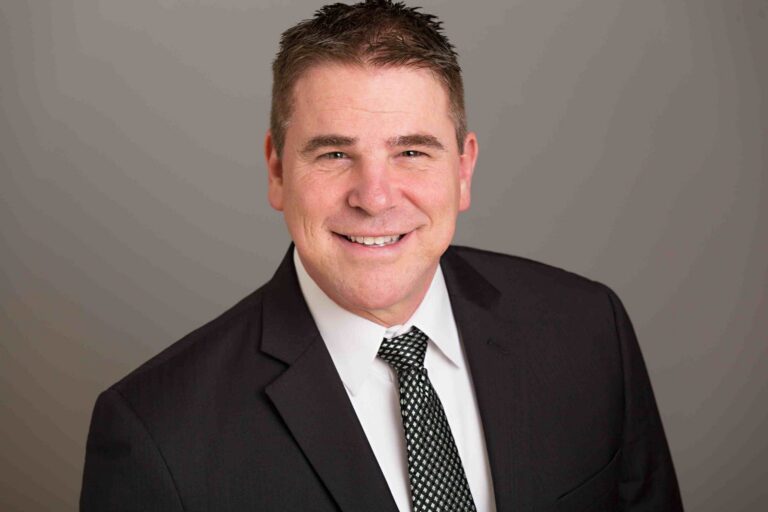

Anthony Jurjevic, CISSP, is the founder and CEO of Techspedient, a cybersecurity-first IT company built specifically for dental practices, DSOs, and healthcare organizations. He spent 25 years in enterprise IT and cybersecurity, the last 10 of them in dental, which means he can talk about Dentrix, Open Dental, Eaglesoft, and a sensor that will not read without pulling up a manual. He founded Techspedient because practice owners kept getting IT providers who did not understand their software, their workflow, or the people trying to break into it. He is blunt, occasionally funny, and very hard to reassure.
Watch Me Break Into a Dental Practice
Description:
Your IT company tells you that you are protected. In this session, you will find out.
Anthony Jurjevic breaks into a dental practice live on stage. No slides full of acronyms, no fearmongering, just the actual attack: the email that looks real, the vendor connection nobody is watching, the phone call in a voice your office manager recognizes. These are the attacks hitting practices right now, built with AI tools that did not exist when most practices hired their current IT provider.
Then he shows the other side. What actually stops it, what it costs, and the exact questions to ask your IT company on Monday morning. Attendees leave knowing whether anyone is really watching their practice, and what to do if the answer is no.
Objectives:
By the end of this session, attendees will be able to:
- Recognize the three attack methods now used against dental practices, including AI-generated phishing, voice-cloned vendor and staff calls, and standing vendor connections into the practice network.
- Audit their own vendor access, identifying every outside company with a live connection into their practice management and imaging systems, and which of those connections are supervised.
- Evaluate their current IT provider using a ten-question checklist that separates providers who are actively watching from providers who are only reacting.
- Verify their backup and recovery position against the 3-2-1-1-0 standard, and state how many hours their practice would be down after an attack.